
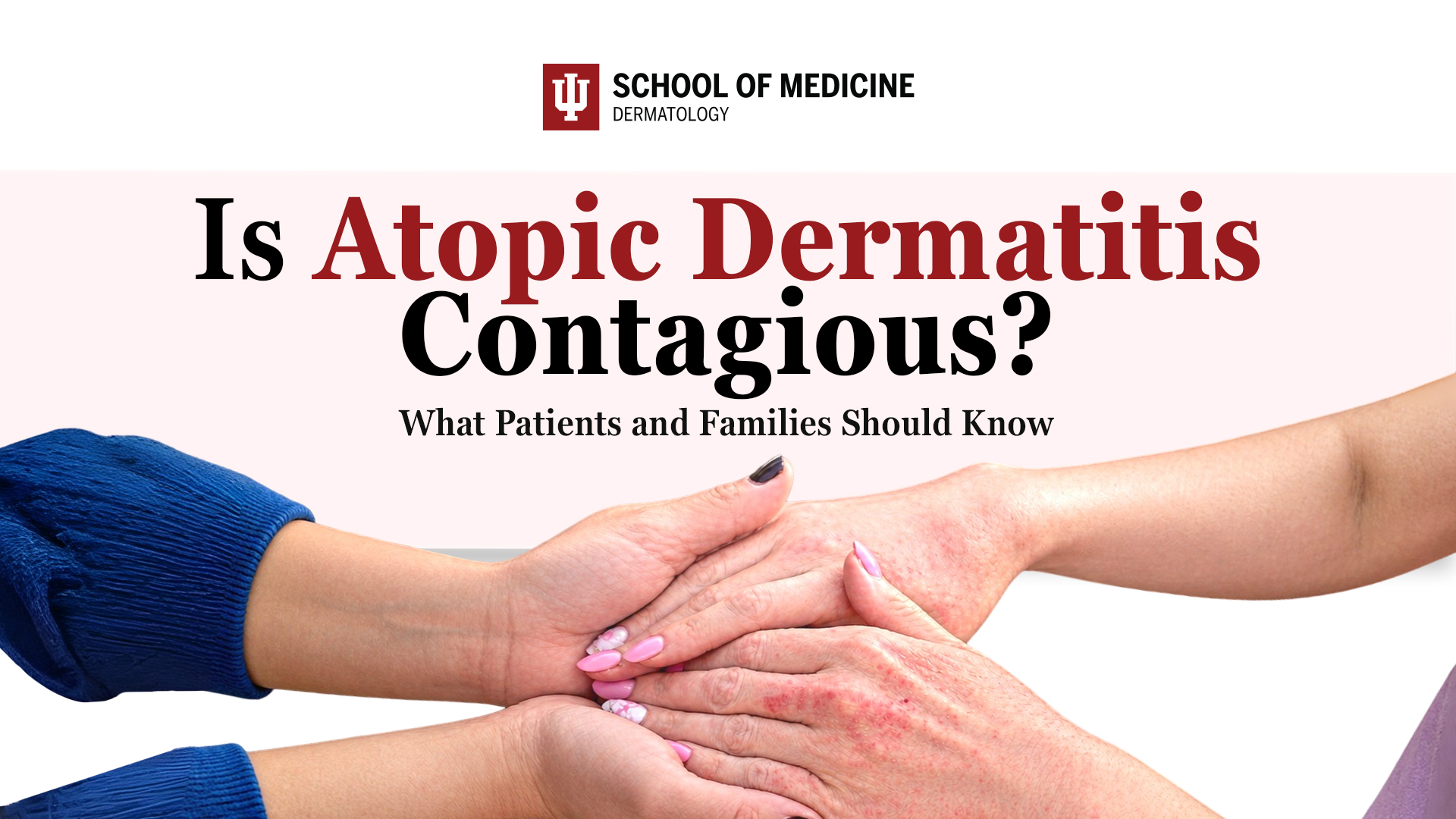
Many people search for this answer the moment a rash appears on their skin or their child's skin. Below, we break down the facts, backed by clinical research.
Quick Answer:
No, atopic dermatitis is not contagious. You cannot catch it by touching someone's skin, sharing clothing, or being near a person during a flare. Instead, it develops from genetics, immune response, and a weakened skin barrier within your own body. Consequently, no virus, bacteria, or parasite causes it to spread between people. However, an active flare can sometimes become infected with bacteria. That secondary infection could pass to others through contact. If you notice oozing, crusting, or rapid spreading, consult your doctor. Understanding this distinction helps you manage symptoms with confidence rather than unnecessary worry.
Many parents pull their child from daycare the moment a red, itchy rash appears. Partners sometimes wonder if they can catch a loved one's skin condition. This worry is common, but it rests on a misunderstanding. Atopic dermatitis, the most common form of eczema, is not an infection. You cannot pass it to someone else through touch or shared items.
However, its appearance can resemble rashes caused by bacteria, fungi, or parasites, and those really are contagious. This article explains what atopic dermatitis is and why it gets mistaken for something spreadable.
Atopic dermatitis is a chronic skin condition marked by dry, itchy, and inflamed patches. It belongs to a group of conditions doctors call eczema. Consequently, people often use the terms atopic dermatitis and eczema interchangeably, though small differences exist between them. The condition frequently begins in early childhood, though it can appear at any age. Symptoms tend to flare up and then calm down over weeks or months. Typically, the skin becomes red, cracked, or scaly during an active flare.
No, atopic dermatitis is not contagious. You cannot catch it by touching someone's skin, sharing clothing, or sitting near a person during a flare. Instead, the condition develops from genetic and immune factors within your own body. Therefore, no bacteria, virus, or parasite causes atopic dermatitis to spread between people. Doctors classify it as an inflammatory skin condition rather than an infectious one. Still, an existing flare can sometimes become infected by bacteria such as staph, and that secondary infection could spread to others.
The red, scaly appearance of atopic dermatitis often resembles rashes that genuinely do spread. For instance, ringworm and impetigo both cause similar redness and surface irritation. Additionally, flares can appear suddenly and worsen quickly, which mimics how an infection typically behaves. Meanwhile, several family members sometimes develop eczema around the same time, but that reflects shared genetics rather than transmission. Consequently, the confusion is understandable, especially for parents managing a child's first flare.
Eczema is a broad term for several skin conditions that cause inflammation and itching. Atopic dermatitis is the most common, and often the most persistent, form of eczema. Other types include contact dermatitis, caused by irritants, and dyshidrotic eczema, which affects the hands and feet. Therefore, every case of atopic dermatitis counts as eczema, but not every eczema case is atopic dermatitis. Understanding this distinction helps patients discuss symptoms clearly with their healthcare provider.
Genetics play a major role in atopic dermatitis. Many patients carry a gene variant that weakens the skin's natural barrier. As a result, moisture escapes more easily, and irritants and allergens enter more freely. Meanwhile, the immune system may overreact to these triggers, which causes visible inflammation. Environmental factors, including dry air, harsh soaps, and stress, can also spark a new flare. Often, a family history of allergies, asthma, or hay fever accompanies atopic dermatitis.
Atopic dermatitis frequently begins in infancy, often within the first six months of life. Roughly one in five children will develop some form of eczema. Fortunately, many children see their symptoms improve or fully resolve by their teenage years. However, some carry the condition into adulthood. Parents managing an atopic dermatitis baby should know that gentle skincare and steady moisturizing routines can ease early symptoms significantly.
{{atopic-cta-banner}}
Consult a doctor if a rash spreads quickly, oozes fluid, or forms crusts. These signs may point to a secondary infection rather than a typical flare. Additionally, if over-the-counter creams fail to help within a few weeks, seek professional guidance. A proper diagnosis rules out contagious causes and confirms the right treatment path. Early evaluation often prevents complications and improves day-to-day comfort.
Treatment usually focuses on repairing the skin barrier and calming inflammation. Common approaches include:
Consistency matters more than any single product. Patients who follow a steady skincare routine often see fewer and milder flares over time.
Managing a chronic skin condition can feel discouraging some days, but you are not alone in this. Simple habits, like moisturizing right after bathing, make a real difference over time. Furthermore, keeping a short symptom diary helps you and your doctor spot patterns and triggers. Staying in touch with your healthcare team allows your treatment plan to adjust as your skin changes. Many patients find that small, consistent steps lead to noticeable relief.
Researchers continue to study atopic dermatitis to find better ways to manage symptoms. Clinical research studies in Indiana are currently examining new topical and systemic treatments. Participating in an atopic dermatitis clinical trial gives patients access to emerging therapies under close medical supervision. Additionally, clinical trial recruitment often welcomes both children and adults with varying symptom severity. These studies help build the evidence base that shapes future eczema care.
{{atopic-cta-banner}}
Atopic dermatitis is not contagious, though its appearance often causes confusion with rashes that do spread. Understanding the real cause, a mix of genetics and immune response, helps reduce unnecessary worry. Consistent skincare and early diagnosis make a meaningful difference for patients and families. If you or your child live with atopic dermatitis, consider talking with your healthcare provider about current research options. Participating in a clinical trial could help you access new treatments while contributing to better care for future patients.
No. Atopic dermatitis cannot spread through touch, hugging, or sharing personal items with someone who has it.
No, eczema develops from genetic and immune factors within a person's own body, not from contact with others.
Atopic dermatitis is the most common type of eczema, but eczema also includes other distinct skin conditions.
Common triggers include dry air, harsh soaps, stress, allergens, and sudden temperature changes.
Yes, Indiana University supports ongoing clinical research studies exploring new eczema treatments for various age groups.


