
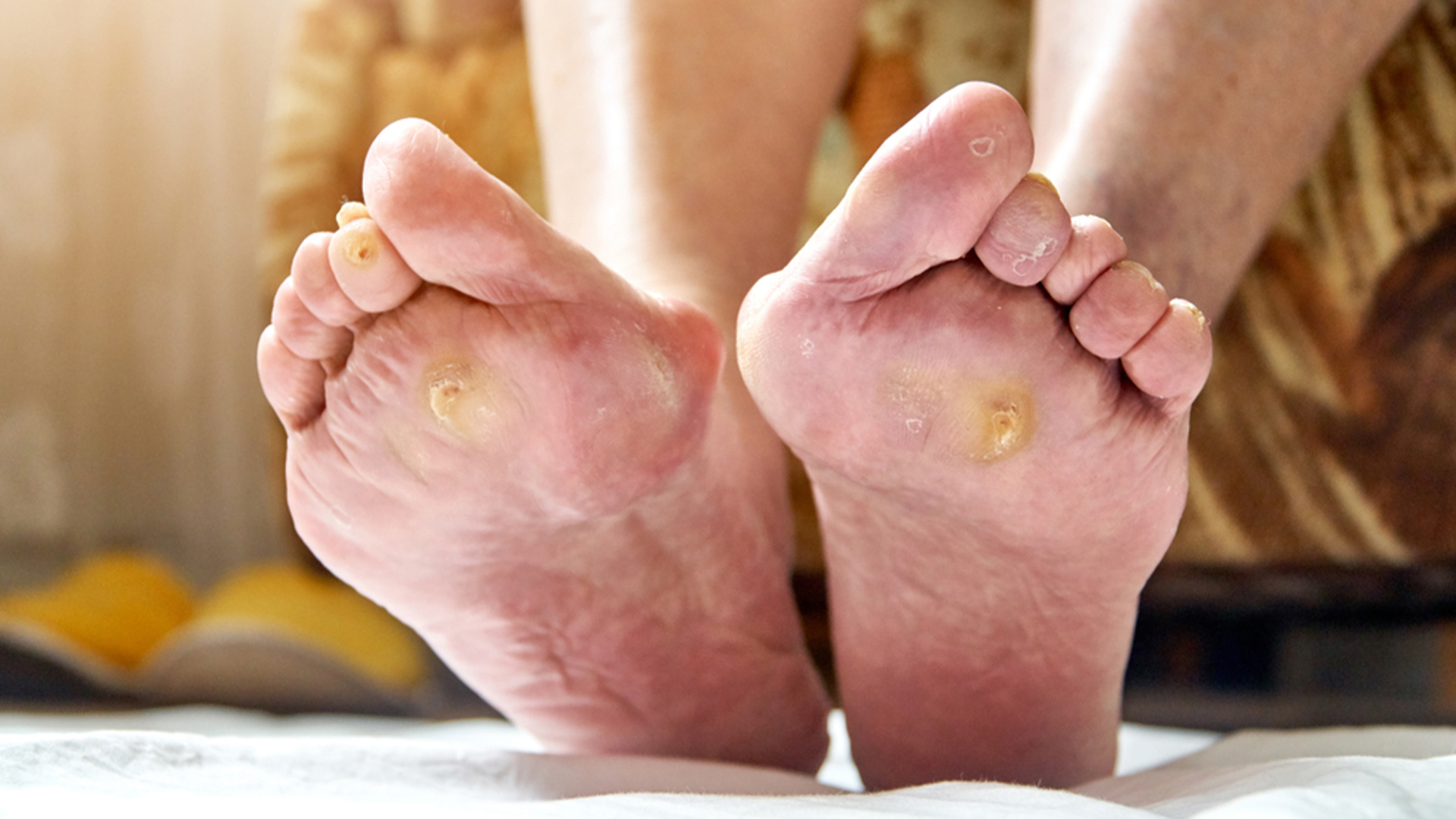
A plantar callus is a thickened area of skin that forms on the bottom of the foot, usually as a result of repeated pressure or friction. It’s your body’s natural way of protecting deeper tissues from stress, but over time, this thick skin can become hard, dry, and uncomfortable.
Common causes of plantar calluses include walking barefoot, standing for long periods, wearing ill-fitting shoes, or engaging in high-impact activities like running. They’re often found on the heel, ball of the foot, or the area under the big toe, where the most pressure is applied during walking. In this blog, we’ll talk in detail about effective ways to get rid of a plantar callus and restore comfort to your feet.
Dealing with thick, hardened skin on your foot can be uncomfortable, but there are several effective ways to treat it.
Soaking your feet daily is the first and most gentle way to begin softening a plantar callus. Use warm (not hot) water to help loosen the thick, hardened skin. To improve results, you can add a few tablespoons of Epsom salt or apple cider vinegar to the water. These ingredients help break down tough skin and provide a soothing effect. Let your feet soak for 10 to 15 minutes. This prepares the callus for easier removal with a pumice stone or foot file in the next step.
After soaking, gently rub the callused area using a pumice stone or foot file in circular motions. Then, continue exfoliating slowly to remove layers of dead skin without causing irritation. However, avoid scrubbing too aggressively since it can damage the skin and lead to discomfort.
After exfoliating, immediately apply a thick moisturizer to the hard spot on the bottom of the foot for better hydration. For deeper moisture, use petroleum jelly and wear socks overnight to seal in hydration. If moisturizing isn’t enough, try callus removal pads containing salicylic acid to break down thick, rough skin effectively.
To prevent further irritation, switch to well-cushioned shoes that provide proper support and reduce pressure on your feet. You can also use pressure-relieving insoles or gel pads to protect the hard spot and improve walking comfort. Furthermore, avoid high heels or tight shoes because they increase friction and worsen the callus over time.
If you prefer home options, apply baking soda and lemon paste to gently exfoliate the affected area. Additionally, use castor oil or coconut oil daily to deeply moisturize and restore skin softness over time.
When home methods fail, visit a podiatrist who can safely remove the callus on the bottom of the foot with proper tools. Then, depending on severity, the specialist may perform manual shaving, apply chemical peels, or prescribe targeted treatments for deeper care. This step works best for painful, recurring, or severely thickened calluses that affect walking comfort.
To maintain soft, healthy skin, soak and moisturize your feet two to three times weekly for consistent results. Always monitor your feet for signs of infection, tenderness, or recurrence and adjust care accordingly.
Seek medical help if the callus on the bottom of the foot becomes painful, cracked, or shows signs of infection. In addition, contact a doctor if you have diabetes or poor circulation, since complications may arise more quickly. Finally, consult a specialist when over-the-counter methods fail to improve your symptoms after consistent, proper care.
{{palmo-cta-banner}}
While plantar calluses are common, it’s important to distinguish them from other conditions that may appear similar.
Olmsted syndrome is a rare genetic disorder causing severe thickening of the palm and sole skin, often mistaken for calluses.
Plantar hyperkeratosis is a condition involving excessive skin thickening on the feet due to pressure or friction, resembling calluses.
Keratoderma blennorrhagicum is a skin disorder linked to reactive arthritis, marked by thickened soles with scaling or pustules, not just calluses.
Punctate keratoderma, also known as punctate palmoplantar keratoderma, is a rare inherited skin disorder characterized by small, scattered lesions that resemble calluses or tiny corns.
Dermatology clinical research studies play a vital role in advancing our understanding and treatment of various skin conditions. These studies help discover new therapies, improve existing treatments, and ensure patient safety while addressing both common and rare dermatological issues.
Clinical trials are especially important for complex skin disorders that require targeted therapies. Palmoplantar keratoderma clinical trials offer valuable insight and hope for those affected by this rare condition.
{{palmo-cta-banner}}
Getting rid of a plantar callus requires consistency, gentle care, and smart preventive steps. From daily soaking and exfoliation to using moisturizers and protective footwear, each method plays a role in softening and removing tough skin. Natural remedies and over-the-counter treatments can be helpful, but for stubborn cases, professional care is often the best choice. Maintaining a regular foot care routine can keep calluses from returning and improve overall foot health. If you're interested in contributing to skin health research and exploring potential new treatment options, join the potential clinical trials in Indiana.


