
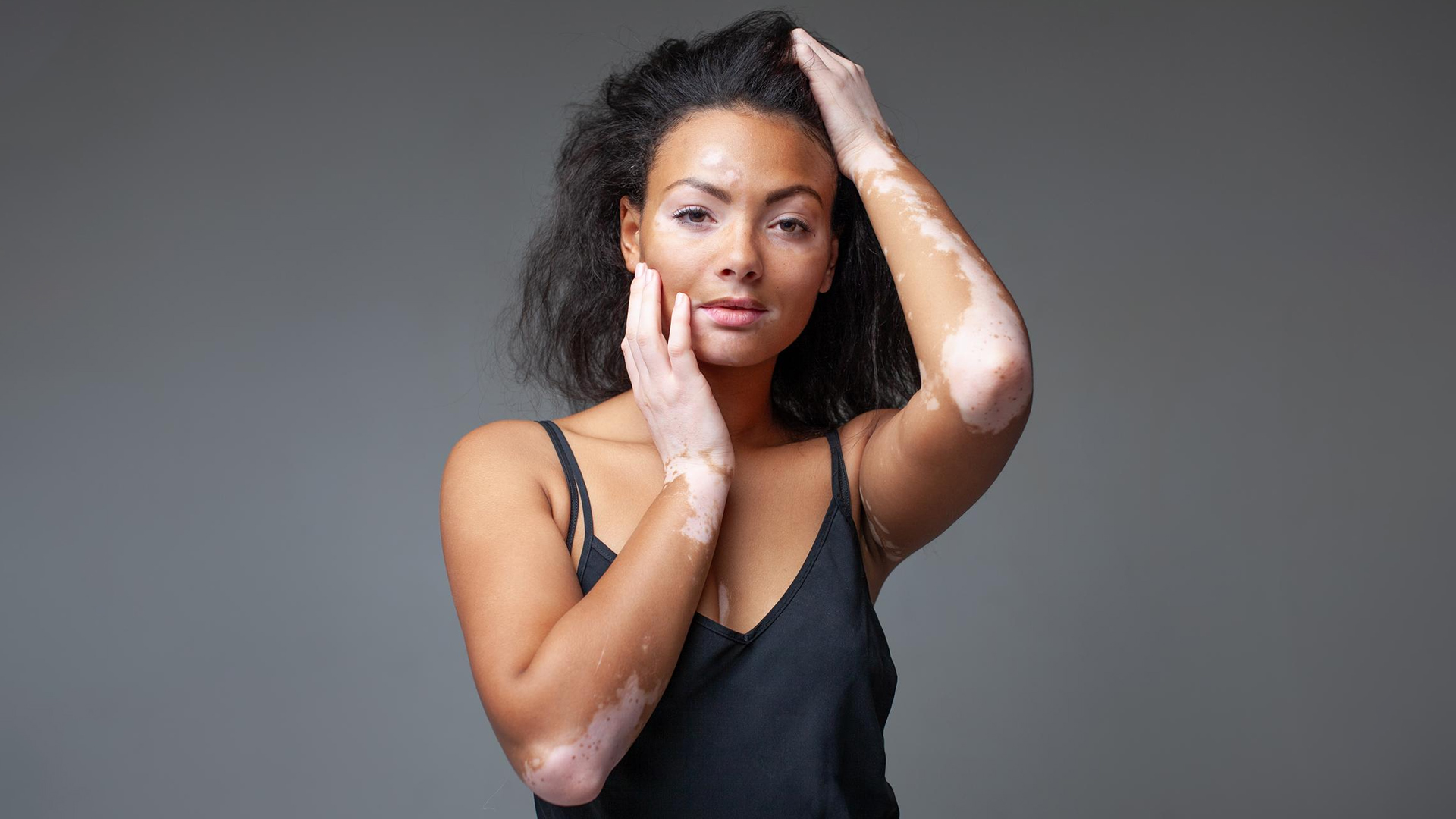
Universal vitiligo is a rare and advanced form of Vitiligo in which more than 80–90% of the body loses pigment. It is considered the most extensive type, where depigmentation covers nearly the entire skin surface. Unlike generalized vitiligo, which causes widespread patches on different body parts, universal vitiligo affects almost the whole body. Segmental Vitiligo appears on one side or area, while Non-Segmental Vitiligo involves symmetrical patches across the body.
This condition can affect people of all ages and backgrounds, though it often begins in adulthood. Both men and women can develop universal vitiligo, but studies suggest a slightly higher occurrence in women. It is also more noticeable in individuals with darker skin tones, as the contrast between affected and unaffected areas is more distinct. In many cases, universal vitiligo develops gradually from other forms of vitiligo over time.
The causes of universal vitiligo involve a mix of immune, genetic, and environmental factors that disrupt normal pigment production in the skin.
Universal vitiligo leads to extensive pigment loss that affects both appearance and emotional well-being. The following signs and symptoms are commonly seen in people with this condition:
Diagnosing universal vitiligo involves several steps that help doctors confirm pigment loss, identify related autoimmune conditions, and differentiate it from other skin conditions such as tinea versicolor, hypopigmentation, or leukoderma, which may appear similar but have different underlying causes and characteristics.
Diagnosis usually starts with a thorough skin examination and discussion of the patient’s medical background. The dermatologist observes the pattern, extent, and location of pigment loss while asking about any family history of vitiligo or autoimmune conditions. This helps determine whether the depigmentation fits the characteristics of universal vitiligo.
A Wood’s lamp test helps the doctor identify affected areas that might not be visible under normal light. The ultraviolet light highlights depigmented patches, making the diagnosis clearer. In certain cases, a skin biopsy may be performed to study the affected tissue and exclude other skin disorders that look similar.
Since universal vitiligo often occurs with other autoimmune disorders, blood tests can help detect related issues such as thyroid disease or diabetes. Identifying these conditions early supports better management and a more comprehensive approach to treatment.
{{vitiligo-cta-banner}}
Managing universal vitiligo focuses on restoring skin color where possible, balancing skin tone, and supporting emotional well-being. Treatment plans vary based on how widespread the pigment loss is and how the individual responds to therapy.
Corticosteroid creams and calcineurin inhibitors can help reduce inflammation and may stimulate pigment-producing cells in areas with partial color loss. These medications work best during the early stages of the condition or in areas that still have some pigment cells.
Light-based treatments such as narrowband UVB therapy and excimer laser can promote repigmentation in certain cases. However, since universal vitiligo affects most of the skin, phototherapy may be less practical for widespread depigmentation.
For those with nearly complete pigment loss, depigmentation therapy helps achieve a more uniform skin tone. This approach involves lightening the remaining pigmented areas to match the rest of the skin.
Skin grafting and melanocyte transplantation are sometimes used for smaller patches, but they are less common for universal vitiligo due to the extensive area involved.
Researchers are exploring new options, including JAK inhibitors and other targeted therapies that aim to control the autoimmune response and support pigment restoration.
Daily sun protection helps prevent burns on depigmented skin, while camouflage makeup can improve appearance and confidence. Mental health support, such as counseling or support groups, also plays an important role in managing the emotional effects of universal vitiligo.
Dermatology clinical research studies are working to discover new treatment possibilities for chronic skin disorders. Vitiligo clinical trials are among these efforts, exploring potential new ways to restore skin color and improve treatment outcomes. Join this progress and support researchers in developing better treatment options for vitiligo care.
{{vitiligo-cta-banner}}
In conclusion, universal vitiligo can be challenging, but it can be managed with proper treatment and support. While there’s no permanent cure, ongoing studies highlight the importance of clinical research in discovering potential new treatments to restore pigment and improve care. Staying informed and involved can make a meaningful difference in vitiligo management.
The spread of universal vitiligo varies for each person, with phases of rapid spreading and periods of stability. It’s hard to predict how much or how quickly pigment loss will occur.
There is no definite cure for vitiligo, including the universal type, and the white patches are often permanent. However, treatments can help restore some skin color and slow or stop the spread of depigmentation.
Universal vitiligo is a rare and extensive form of vitiligo that affects over 80% of the body’s skin.


