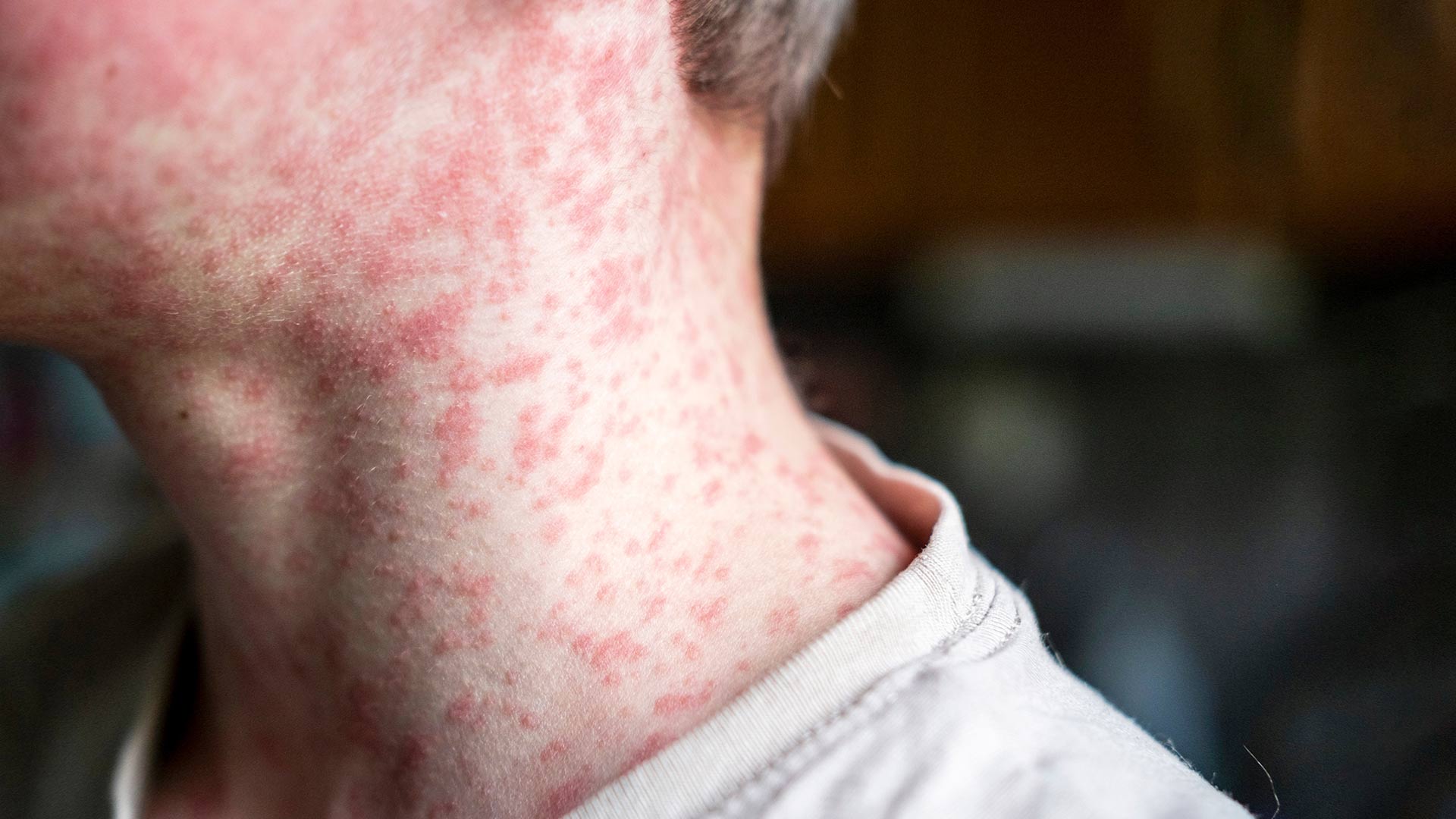
Discoid lupus, also called chronic cutaneous lupus erythematosus (CCLE), is a skin condition that causes round, red, and scaly patches—mostly on your face, scalp, ears, or nose. These patches (called lesions) aren’t usually itchy or painful, but they can leave scars and even lead to hair loss if they form on your scalp.
Discoid lupus is a type of Cutaneous Lupus, which means it mainly affects your skin. It’s different from systemic lupus erythematosus (SLE)—a more common form of lupus that can affect many parts of your body like your joints, lungs, and kidneys. While most people with discoid lupus don’t have SLE, about 5% might develop it over time. And for those who already have SLE, around 1 in 4 may develop skin lesions that look like discoid lupus.
There’s no cure for discoid lupus, but the good news is that treatment can help manage flare-ups and reduce scarring. It’s also super important to protect your skin from the sun, since these lesions can increase your risk for skin cancer.
So if you notice unusual patches on your skin that don’t go away, especially in sun-exposed areas, it’s worth getting them checked out.
Causes of Discoid Lupus Erythematosus (DLE)
Discoid Lupus Erythematosus (DLE) is caused by a mix of internal (endogenous) and external (exogenous) factors.
Internal Causes (Endogenous):
- Genetics plays a major role. Some people inherit specific genes—such as HLA-DQA1 and HLA-DRB1—that make them more likely to develop DLE.
- Certain gene changes (polymorphisms), like TYK2, IRF5, and CTLA4, are also linked to a higher risk.
- A key protein in the immune system called interferon, especially type 1 interferon, is believed to trigger inflammation in the skin. TYK2 and IRF5 help control this protein’s activity.
These internal factors make some people more sensitive to external triggers, which can then lead to DLE symptoms.
What Are the Signs and Symptoms of Discoid Lupus?
Appearance of Skin Lesions
- Lesions start as dull red or purple, disc-shaped patches on the skin.
- These patches may be flat or raised and feel firm.
- Over time, they develop thick white, sticky scales.
- Eventually, lesions may leave behind scars, skin thinning (atrophy), or changes in skin color.
- Crusting (dried fluid on the surface) can also appear.
Color Changes Based on Skin Tone
- Darker skin: Loss of color in the center and darkening around the edges.
- Lighter skin: Lesions may turn gray or show minimal color changes.
- In rare cases, lesions may be bright red and look like hives.
Where Do Lesions Usually Appear?
- Most often in sun-exposed areas above the neck, such as:
- Mouth, nose, eyes, and genitals (especially the palate) may also be affected in some people.
- Less commonly, lesions may appear on the arms and trunk (body).
Special Types of Lesions
Scalp Lesions
- Begin as red flat or raised spots.
- It can cause hair loss and scarring.
- Skin may become white or discolored, with sunken areas.
- The surface may look smooth or show visible, enlarged hair follicles.
Lip Lesions
- May have a thick, rough surface or worn-out patches.
- Often surrounded by a red border.
Other Possible Symptoms
- Or may not cause any discomfort at all
- Swelling and redness around the eyes
- Blepharitis (inflammation of the eyelids)
Possible Complications
- Darker-skinned individuals may experience long-lasting scars and changes in skin color.
- Although rare, there is a slightly higher risk of developing skin cancer (squamous cell carcinoma) in affected areas.
How Is Discoid Lupus Diagnosed?
1. Physical Examination
- Doctors often identify DLE by looking at the location and appearance of the skin patches (lesions).
- A full body check is done to see if the patient has any signs of systemic lupus (which affects internal organs).
2. Skin Biopsy
- A small sample of skin is taken from a lesion and examined under a microscope.
- This helps confirm the diagnosis.
- What doctors look for under the microscope:
- Inflammation around hair follicles and blood vessels
- Damaged skin cells and thickening of the outer skin layer (hyperkeratosis)
- Changes in the base layer of the skin (called epidermal vacuolation and apoptotic cells)
- Thickened basement membrane (the layer between the outer and inner skin)
- Mucin deposits (a jelly-like substance in the skin)
- Scarring (fibrosis) as lesions get older
3. Blood Tests
- A few tests may be done to check for overall health and any signs of internal lupus, including:
- Complete blood count (CBC)
- Antinuclear antibody (ANA) test – this test looks for autoimmune activity, but it’s often negative in DLE.
4. Urine Test
- A urine analysis may also be done to check for signs of kidney problems, which can happen if the lupus affects more than just the skin.
{{lupus-cta-banner}}
How Is Discoid Lupus Treated?
The treatment for discoid lupus depends on how severe your symptoms are. The goal is to reduce inflammation, relieve discomfort, and prevent scarring.
1. Creams and Ointments
- Special medicated creams are applied directly to the skin.
- These help reduce redness, swelling, and irritation in the affected areas.
2. Anti-Inflammatory Medications
- These medications work by lowering inflammation in your body.
- They help ease pain, swelling, and discomfort caused by the lesions.
3. Immune System Medications
- Some medicines help by calming the immune system, so it doesn’t attack the skin.
- These are often used when the skin condition is more widespread or doesn’t improve with creams alone.
4. Other Treatments
- In some cases, medication used for other conditions (like those that affect the immune system) may help reduce fatigue, joint pain, or skin rashes.
Important Note
- Treatment doesn't cure discoid lupus, but it can help manage symptoms and prevent permanent skin damage.
- It's also important to protect your skin from the sun, as sunlight can make the condition worse.
Advancing Skin Treatment Options Through Clinical Trials
Dermatology Clinical Research Studies are essential for developing safer and more effective treatments for various skin conditions. They help researchers understand how different therapies work and contribute to improving skin health care.
Clinical Research Studies in Indiana give participants access to new dermatological treatments while offering compensation. These studies support medical progress and benefit both current and future patients.
Read More: Is Lupus Hereditary? Exploring Genetics, Symptoms, and Treatments
{{lupus-cta-banner}}
Conclusion:
Discoid lupus can significantly impact skin health, but early diagnosis and proper treatment help manage symptoms and reduce complications. Participating in Cutaneous Lupus Clinical Trials offers patients access to advanced treatments while supporting medical research that aims to improve future care for skin-related autoimmune conditions.