
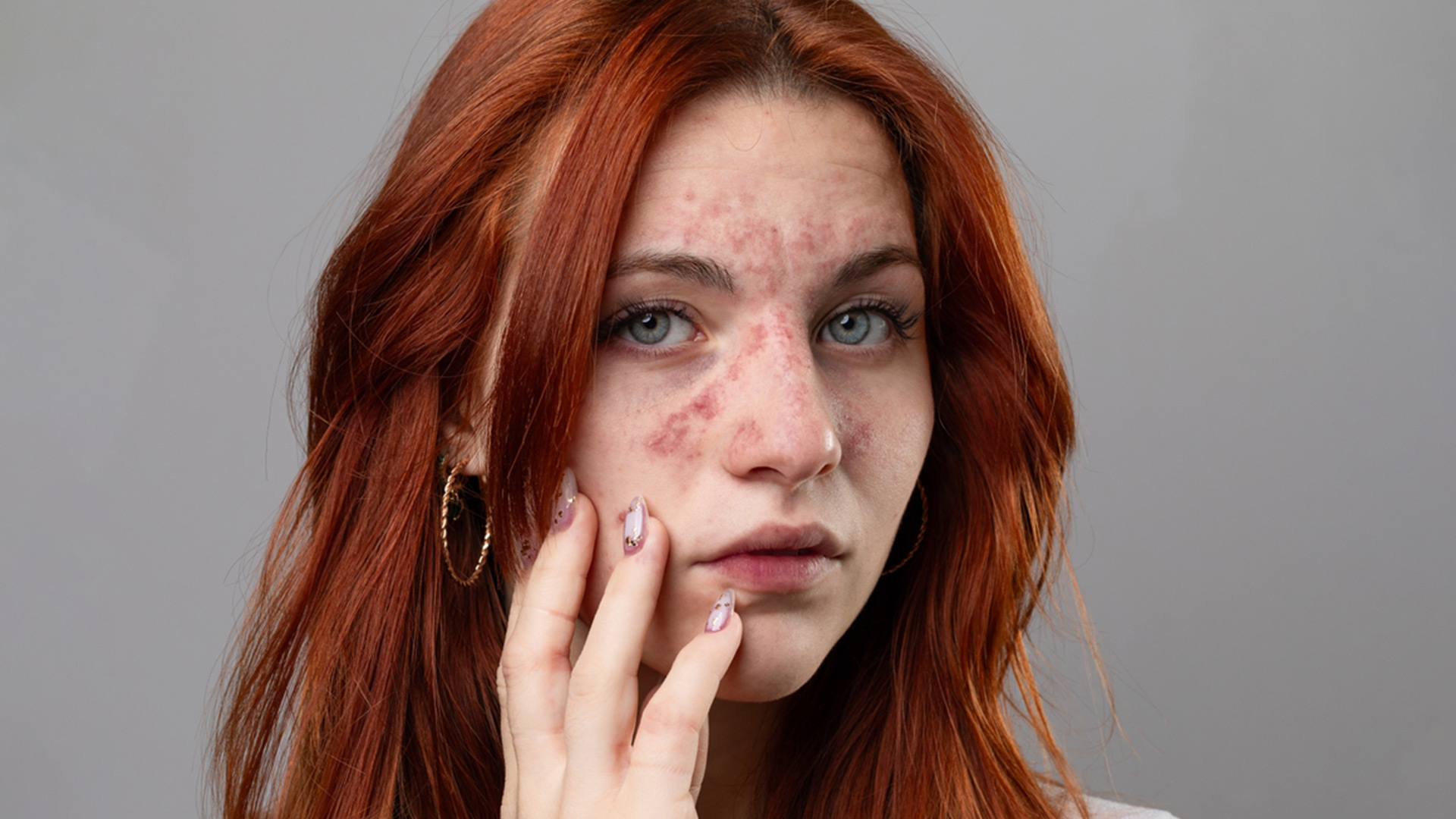
Cutaneous lupus, or skin lupus, is an autoimmune condition that mainly affects the skin. When your immune system, which normally protects you from illness, mistakenly attacks healthy skin cells, it causes inflammation that leads to rashes. These rashes can be itchy, irritated, or swollen, and may last for a long time.
You might have heard of Systemic Lupus Erythematosus (SLE), a related condition that affects not just the skin but also the joints, blood vessels, and internal organs. Cutaneous lupus erythematosus (CLE), on the other hand, is limited to the skin. It’s actually more common than systemic lupus, though some people with CLE may eventually develop symptoms that affect other parts of the body.
In addition to chronic cutaneous forms, Lupus can also be triggered by certain medications, a condition known as Drug-Induced Lupus, which may cause symptoms resembling systemic lupus, including joint pain, fever, and rashes. The good news is that these symptoms often improve once the triggering medication is discontinued.
While the exact cause of cutaneous lupus is not fully understood, several factors can increase the risk of developing the condition:
Genetic predisposition: People with a family history of autoimmune diseases, including lupus, are more likely to develop cutaneous lupus. Certain genes may make the immune system more prone to overreacting and targeting healthy skin cells.
Environmental triggers: External factors such as exposure to ultraviolet (UV) light from the sun, cigarette smoking, and even high levels of stress can trigger or worsen skin symptoms. UV light, in particular, can provoke flare-ups and increase skin sensitivity.
Hormonal influences and medications: Hormonal changes, especially in women, may affect disease activity. Some medications can also aggravate symptoms or trigger skin reactions in people predisposed to lupus.
Understanding these risk factors can help in managing cutaneous lupus and preventing flare-ups through lifestyle adjustments and careful monitoring.
The symptoms of cutaneous lupus can vary depending on the type and severity of the condition, but common signs include:
Lesions that may be scaly, cause scarring, or lead to changes in skin color.
Can cause thinning hair or permanent hair loss.
Exposure to sunlight may trigger or worsen rashes.
Symptoms can resemble eczema, psoriasis, or sunburn, so proper diagnosis often requires a dermatologist’s examination, patient history, and sometimes a skin biopsy.
Diagnosing cutaneous lupus usually involves a combination of medical history, physical examination, and laboratory tests. Here’s how healthcare providers approach it:
{{lupus-cta-banner}}
Managing chronic cutaneous lupus focuses on controlling inflammation, reducing symptoms, and preventing flare-ups. Treatment may include the following approaches:
Furthermore, Cutaneous Lupus Clinical Trials are currently underway to explore and test potential new treatment options. These studies aim to improve symptom management, reduce flare-ups, and offer more effective therapies for those living with cutaneous lupus.
{{lupus-cta-banner}}
In conclusion, managing cutaneous lupus involves understanding triggers, recognizing symptoms early, and following appropriate treatment plans. Ongoing research continues to explore new treatment possibilities to improve the quality of life for patients. Participation in clinical research studies in Indiana helps advance these efforts and brings hope for more effective treatments in the future.
You can have cutaneous lupus (CLE) without systemic lupus (SLE). CLE affects only the skin, though it can sometimes appear alongside or later develop into systemic lupus, which impacts multiple organs and joints.
Chronic cutaneous lupus is serious as it can cause permanent scarring, hair loss, and emotional distress. Though less severe than systemic lupus, it still requires long-term care and may sometimes indicate underlying systemic involvement.
Between 5% and 25% of people with cutaneous lupus erythematosus (CLE) may develop systemic lupus erythematosus (SLE) over time.


