
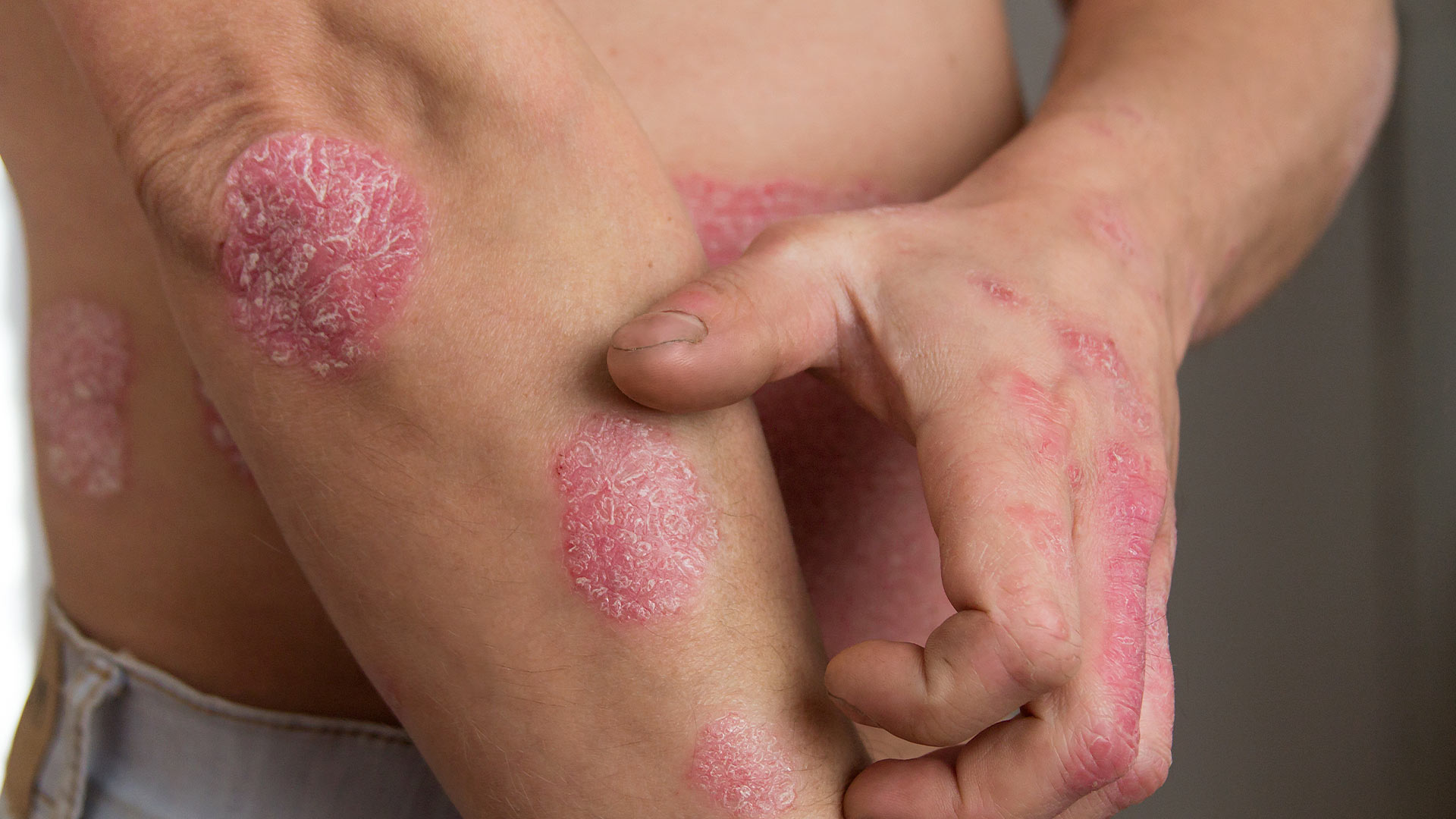
If you've ever experienced a sudden red, itchy rash after touching something seemingly harmless, you might be dealing with contact dermatitis. This common skin condition affects an estimated 15–20% of the general population and can be frustrating, uncomfortable, and even painful but it is treatable. However, in this post, we’ll explore the most common symptoms and triggers of contact dermatitis, and most importantly, walk you through fast-acting treatment options that can help soothe your skin and prevent future flare-ups. Additionally, for those living with recurring or severe cases, participating in atopic dermatitis clinical trials may offer access to advanced treatments and expert care while contributing to important research.
Contact dermatitis is a form of skin inflammation that occurs when the skin reacts to a substance it finds irritating or allergenic. Moreover, it often presents as a contact dermatitis rash red, itchy, sometimes blistered or dry, and may appear anywhere on the body. Additionally, contact dermatitis on the face, hands, or neck is especially common due to frequent exposure to personal care products, jewelry, or environmental elements.
The condition is caused by direct contact with substances that either irritate the skin or trigger an allergic reaction. Common culprits include:
Recognizing the symptoms early is crucial for rapid relief. Therefore, common symptoms include:
However, the symptoms usually appear within hours to a few days after exposure and often remain localized to the area of contact.
This type of contact dermatitis occurs when your immune system overreacts to a harmless substance, like nickel, fragrance, or latex. However, even minimal exposure can lead to a reaction. Moreover, symptoms may take hours or days to appear and often include itching, redness, and swelling. Therefore, the best treatment is to avoid allergens and use topical creams to reduce symptoms.
Irritant contact dermatitis is more common and results from repeated exposure to substances that physically damage the skin's surface. Moreover, these include soaps, bleach, cleaning products, or even water from frequent handwashing. The rash tends to be dry, cracked, and rough, and it may develop slowly over time. Furthermore, treatment includes the use of barrier creams, moisturizers, and avoiding irritants.
Treating contact dermatitis starts with identifying and avoiding the substance that triggered the reaction, but once a rash appears, there are several effective ways to relieve symptoms and support healing.
The first and most crucial step is to stop exposure to the source of irritation. Wash the affected area gently with mild soap and cool water to remove any lingering residue.
Over-the-counter hydrocortisone creams or corticosteroid ointments can reduce redness, swelling, and itching. In more severe cases, your doctor may prescribe a stronger steroid cream.
A cool, damp cloth placed on the affected skin can ease discomfort and reduce inflammation. Apply for 15–20 minutes several times a day.
If itching is intense or disrupts your sleep, oral antihistamines like diphenhydramine can help calm your body's allergic response.
Keeping your skin hydrated can help heal and rebuild the skin barrier. Choose fragrance-free, hypoallergenic moisturizers designed for sensitive skin.
Scratching can lead to infection or worsen irritation. Therefore, trimming nails and considering wearing gloves at night if scratching during sleep is a concern.
Looking for quick relief? The first step is to remove or avoid the trigger. However, once the source is eliminated, follow these tips for faster healing with various advancement treatment in atopic dermatitis :
Therefore, if the rash is severe or doesn't improve in a few days, consult your healthcare provider. For stronger relief, prescription-strength creams or oral medications may be needed.
{{atopic-cta-banner}}
Though they may look similar, contact dermatitis and eczema (also called atopic dermatitis) are different. In addition, contact dermatitis is caused by external triggers, while eczema is often a chronic, genetic condition. Therefore, eczema typically affects areas like the elbows, knees, and scalp and may flare up even without direct exposure to irritants.
A skin allergy rash usually begins to fade once the triggering allergen is identified and avoided. In fact, studies show that approximately 80% of allergic contact dermatitis cases improve significantly within the first week of removing the allergen. To support faster healing, over-the-counter remedies such as hydrocortisone cream, calamine lotion, or antihistamines can help reduce inflammation and soothe irritation. However, moisturizing the affected area with fragrance-free lotions also helps repair the skin barrier. With proper care, most skin allergy rashes clear up completely within one to two weeks. Furthermore, if the rash worsens, spreads, or shows signs of infection, it's essential to seek medical attention for further treatment.
If you're living with chronic or recurring skin conditions like contact dermatitis or eczema, you may qualify for a clinical research study. However, you may also be interested in learning more about related conditions such as:
{{atopic-cta-banner}}
Contact dermatitis can be an uncomfortable and disruptive condition, but it's highly manageable once you understand the causes and treatment options. From removing the offending substance to soothing the skin with topical treatments and moisturizers, simple steps can make a big difference in how quickly your skin heals. If symptoms persist or worsen, seeking medical advice ensures you get the correct diagnosis and support. By staying informed by participating in the clinical trails, you can prevent future flare-ups and keep your skin healthy, comfortable, and protected.
Most cases clear up within 1 to 3 weeks, especially if the trigger is removed. More severe cases may take longer to resolve or require medical intervention.
Treatment includes identifying and avoiding the irritant, using moisturizers, applying topical corticosteroids, and, if needed, managing itching with antihistamines.
No, contact dermatitis is not contagious. It cannot be spread from person to person or by touching the rash.
Diagnosis is usually made through a physical exam and a review of your medical and exposure history. In some cases, your doctor may recommend patch testing to identify specific allergens.


