
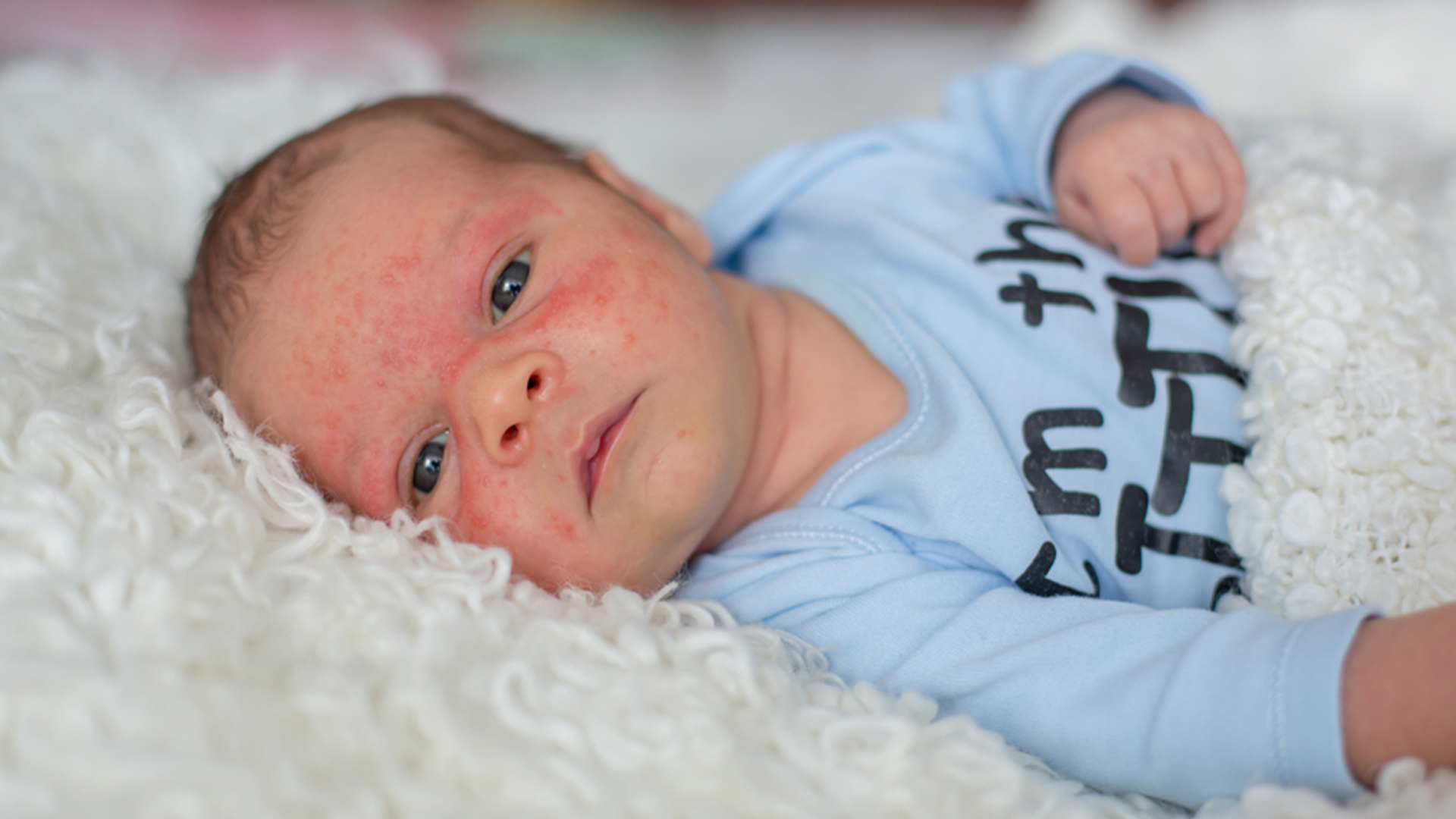
Neonatal lupus is a condition that can affect babies during pregnancy or shortly after birth. It often causes temporary changes, such as a skin rash, which usually disappears within a year. In some cases, the condition affects the heart, leading to autoimmune congenital heart blocks. This serious complication can prevent the heart from beating properly and may become life-threatening, although treatment options exist.
Early diagnosis and careful monitoring by a baby’s healthcare team are essential. Parents should follow medical guidance closely to understand the condition, manage symptoms, and ensure the best possible outcomes for their child.
Neonatal lupus erythematosus (NLE) affects about 10 to 15 percent of babies born to mothers who carry specific antibodies, including anti-SSA (Ro), anti-SSB (La), or anti-U1RNP. These antibodies are sometimes present in women with autoimmune conditions like Sjögren syndrome, systemic lupus erythematosus, or rheumatoid arthritis. However, around half of the mothers of babies with NLE may appear healthy and show no symptoms.
NLE can affect babies of any ethnicity. Skin-related neonatal lupus is more common in girls, especially when the mother has the La antibody rather than the Ro antibody.
Neonatal lupus happens when certain antibodies from the mother reach the baby through the placenta. These antibodies include anti-SSA/Ro, anti-SSB/La, and anti-U1-RNP.
As mentioned earlier, these antibodies often relate to autoimmune conditions such as Sjögren’s syndrome, lupus, rheumatoid arthritis, and mixed connective tissue disease. In some cases, they may still be present even when the mother shows no signs of autoimmune disease.
When these antibodies enter the baby’s body, they can create changes that may last for a short time or become permanent. Researchers still study how this process works, but they know that the baby’s heart faces the greatest impact.
Inside the heart, these antibodies start an inflammatory reaction. This reaction forms scar tissue that blocks electrical signals. As a result, the heart cannot beat in a steady and healthy pattern. In severe cases, this problem can affect pregnancy or cause serious complications after birth.
Babies born with neonatal lupus may develop a range of symptoms that appear at birth or within the first few weeks.
Diagnosis of neonatal lupus involves careful evaluation of the baby’s symptoms along with specific antibody testing in both the baby and mother.
Neonatal lupus is suspected when a baby shows characteristic features such as congenital heart block or a typical skin rash.
Diagnosis is confirmed by testing both the mother and baby for autoantibodies, including anti-Ro/SSA, anti-La/SSB, and sometimes anti-U1RNP.
A complete blood count and liver function tests are performed to check for blood or liver involvement.
If heart block is suspected but not diagnosed before birth, an electrocardiogram (ECG) is recommended. Fetal heart rate can be monitored using echocardiography during the second or third trimester (16–26 weeks' gestation).
Screening is targeted rather than universal. It is recommended for mothers with known autoantibodies, those with autoimmune conditions such as SLE or Sjögren syndrome, or women who have had prior pregnancies affected by neonatal lupus.
{{lupus-cta-banner}}
Management of neonatal lupus focuses on easing symptoms, supporting the baby’s heart health, and providing regular follow-up as the child grows.
Most skin changes in neonatal lupus fade on their own within the first year of life. Gentle care helps protect the baby’s skin. This may include using mild cleansers, applying gentle moisturizers, and avoiding direct sunlight, as sun exposure can worsen the rash.
Babies with heart involvement need close monitoring. Congenital heart block may require medications, regular follow-up with a pediatric cardiologist, or in some cases, placement of a pacemaker. Early detection and consistent monitoring help manage the condition effectively.
Some studies suggest that taking hydroxychloroquine during pregnancy can reduce the baby’s risk of heart block. Doctors may recommend it for mothers with autoimmune disease or specific antibodies to help protect the baby.
Regular check-ups with pediatric specialists support the baby’s overall health. Follow-up may involve monitoring blood counts, liver function, growth, and development. Coordination between dermatologists, cardiologists, and pediatricians helps address any ongoing or emerging concerns.
Lupus can appear in several forms, each affecting the body in different ways.
Clinical research studies in Indiana play a vital role in investigating potential new treatments for lupus and improving patient care. Cutaneous lupus clinical trials, for example, focus on testing therapies to find safer and more effective ways to manage skin-related lupus symptoms.
{{lupus-cta-banner}}
In conclusion, neonatal lupus is a rare condition caused by maternal antibodies affecting the baby’s skin, blood, liver, or heart. Most symptoms improve over time, but heart complications can be serious. Early diagnosis, careful monitoring, and proper care help manage the condition and support the baby’s health and development effectively.
The risk of death in neonatal lupus (NLE) varies. Skin, liver, and blood problems usually get better, but heart issues are more serious. In babies with heart problems, mainly from congenital heart block (CHB), about 18% may die, often from congestive heart failure.
Lupus can affect newborns when certain antibodies from the mother reach the baby. It may cause skin rashes, liver or blood problems, and in some cases, serious heart issues like congenital heart blocks.
The first signs of neonatal lupus often include a temporary facial or scalp rash, low blood cell counts, liver issues, and occasionally serious heart abnormalities.
The most serious complication of neonatal lupus is congenital heart block (CHB), especially irreversible third-degree block, which slows the heart rate and may lead to heart failure, sudden cardiac death, or the need for a permanent pacemaker.


