
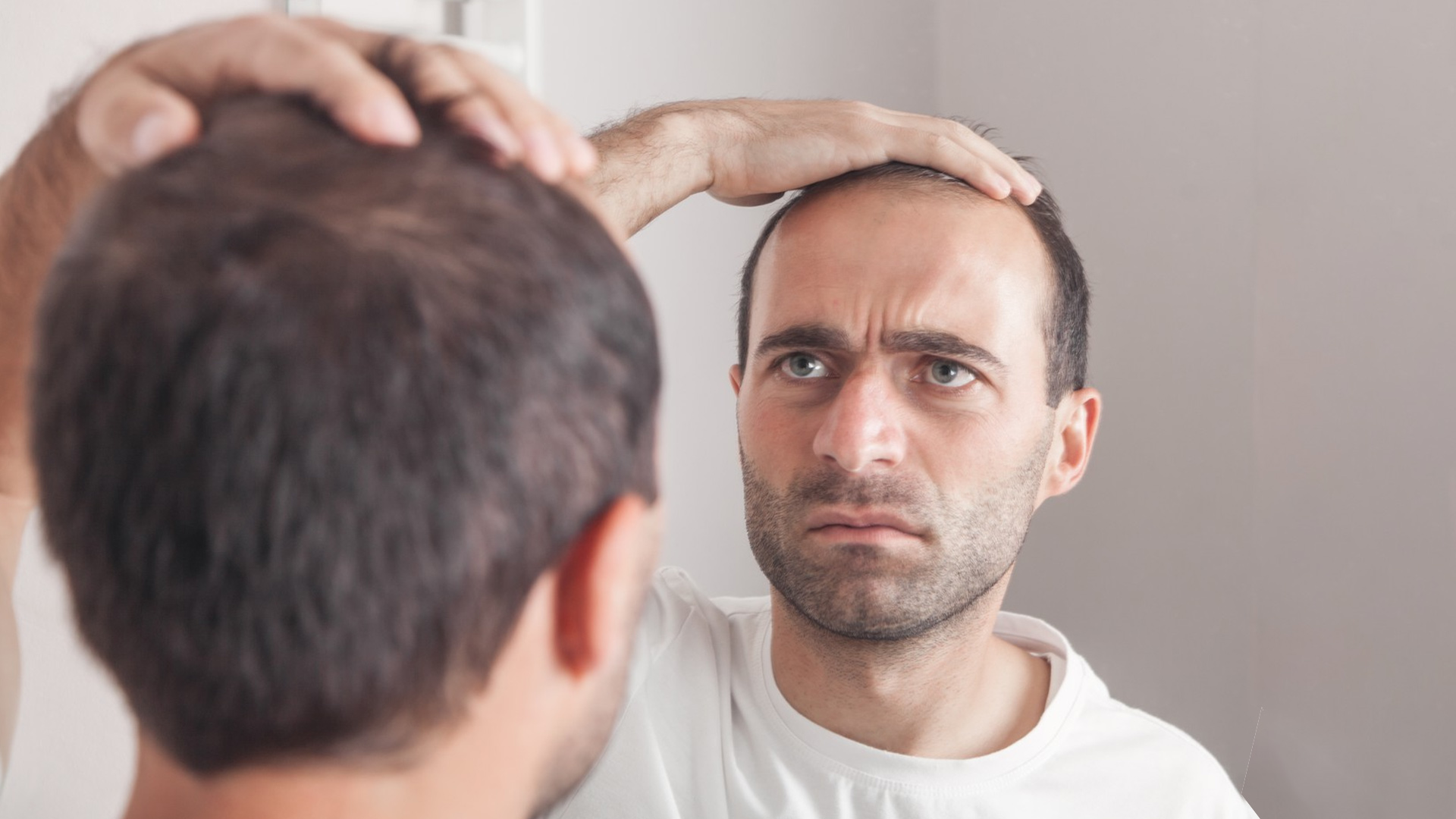
Losing hair along the hairline can feel discouraging and even affect self-esteem. While some hair thinning is natural with age, a visibly receding hairline often raises questions about what’s normal and what’s not.
The good news is that understanding the causes early can help you take practical steps to protect your hair health. This guide explores what a receding hairline means, why it happens, and how to prevent or manage it effectively.
A Receding Hairline refers to gradual hair loss starting from the temples or forehead, where the hairline begins to move backward. It’s most noticeable around the front of the scalp and may progress slowly over several years.
While commonly associated with Androgenetic Alopecia (also called male or female pattern baldness), a receding hairline can also result from other hair loss types such as:
Once you understand the type of hair loss you have, finding the right treatment becomes easier.
Several factors contribute to a receding hairline, and often, more than one is involved.
Knowing what’s behind your hairline changes can help your dermatologist or trichologist recommend effective treatments or preventive care.
Although it’s more common in men, women can also experience a receding hairline, especially after hormonal shifts like pregnancy or menopause.
Frontal Fibrosing Alopecia is one of the leading causes of hairline recession in women. It causes gradual thinning at the front of the scalp, often accompanied by itching or redness. Stress, thyroid conditions, and tight hairstyles also contribute.
Women often face emotional distress over hair loss, but early attention and gentle care can prevent long-term damage.
For men, Androgenetic Alopecia is the most common cause of a receding hairline. It typically starts with hair thinning near the temples, forming an “M” shape that gradually moves backward.
Factors like aging, stress, and DHT sensitivity accelerate the process. While complete reversal isn’t always possible, early treatment can significantly slow progression.
Medical options like topical minoxidil or oral finasteride may also help, but always consult a healthcare provider before use.
Hormonal therapy can influence hair patterns in transgender and non-binary individuals. For those undergoing testosterone-based therapy, the hairline may recede due to DHT-related sensitivity, similar to Androgenetic Alopecia in cisgender men.
Conversely, estrogen-based therapy may slow or partially reverse hair thinning in transgender women. However, results vary based on genetics and treatment duration.
Maintaining scalp health through regular checkups, gentle hair care, and proper nutrition can support hair regrowth and confidence during gender-affirming care.
Contrary to popular myths, hats and headscarves do not cause hair loss when worn correctly. Hair follicles get their oxygen and nutrients from blood vessels, not the air.
However, frequent friction or very tight wrapping can lead to Traction Alopecia, especially around the edges of the scalp. To avoid this:
Wearing a headscarf, turban, or hat can be part of your personal or cultural expression without harming hair health when done mindfully.
Early detection is key. Look out for:
If these signs appear, consult a dermatologist for proper diagnosis and treatment.
{{cta-banner}}
Doctors often use the Norwood Scale (for men) or Ludwig Scale (for women) to identify hair loss stages.
Diagnosis may include:
While genetics can’t be changed, proactive care can slow or minimize hairline loss:
These habits help strengthen follicles and support healthy regrowth.
A receding hairline can be emotionally challenging, but it doesn’t define your worth or beauty. Many people successfully manage or adapt to it through medical care, cosmetic options, or simply embracing their natural look.
Support groups, therapy, and community discussions can also help you cope emotionally. Remember, hair loss is common and treatable in many cases. The earlier you act, the better your results can be.
As hair restoration science advances, clinical research organizations are actively exploring new treatments for various types of alopecia. Indiana University is at the forefront of these efforts, conducting clinical research studies that investigate the underlying mechanisms of hair loss.
These studies include clinical trials focused on innovative therapies for Alopecia, a condition characterized by immune system attacks on hair follicles. By participating in clinical trials of Alopecia Areata, volunteers contribute to advancing scientific knowledge and help develop potential treatments that may also benefit individuals with irreversible alopecia.
Participating in these clinical trials at IU offers access to cutting-edge treatments and expert care while supporting the progress of medical research toward more effective hair loss solutions.
{{cta-banner}}
Preventing a receding hairline involves a combination of early detection, lifestyle adjustments, and professional care tailored to your specific type of hair loss.
While genetics and hormonal factors play a significant role, nurturing your scalp with gentle care, a nutrient-rich diet, and stress management can significantly slow hairline recession.
For those already experiencing hair loss, modern treatments and ongoing clinical research offer hope for effective management and even regrowth. Being proactive and informed empowers you to maintain healthy, confident hair and overall scalp wellness.


