
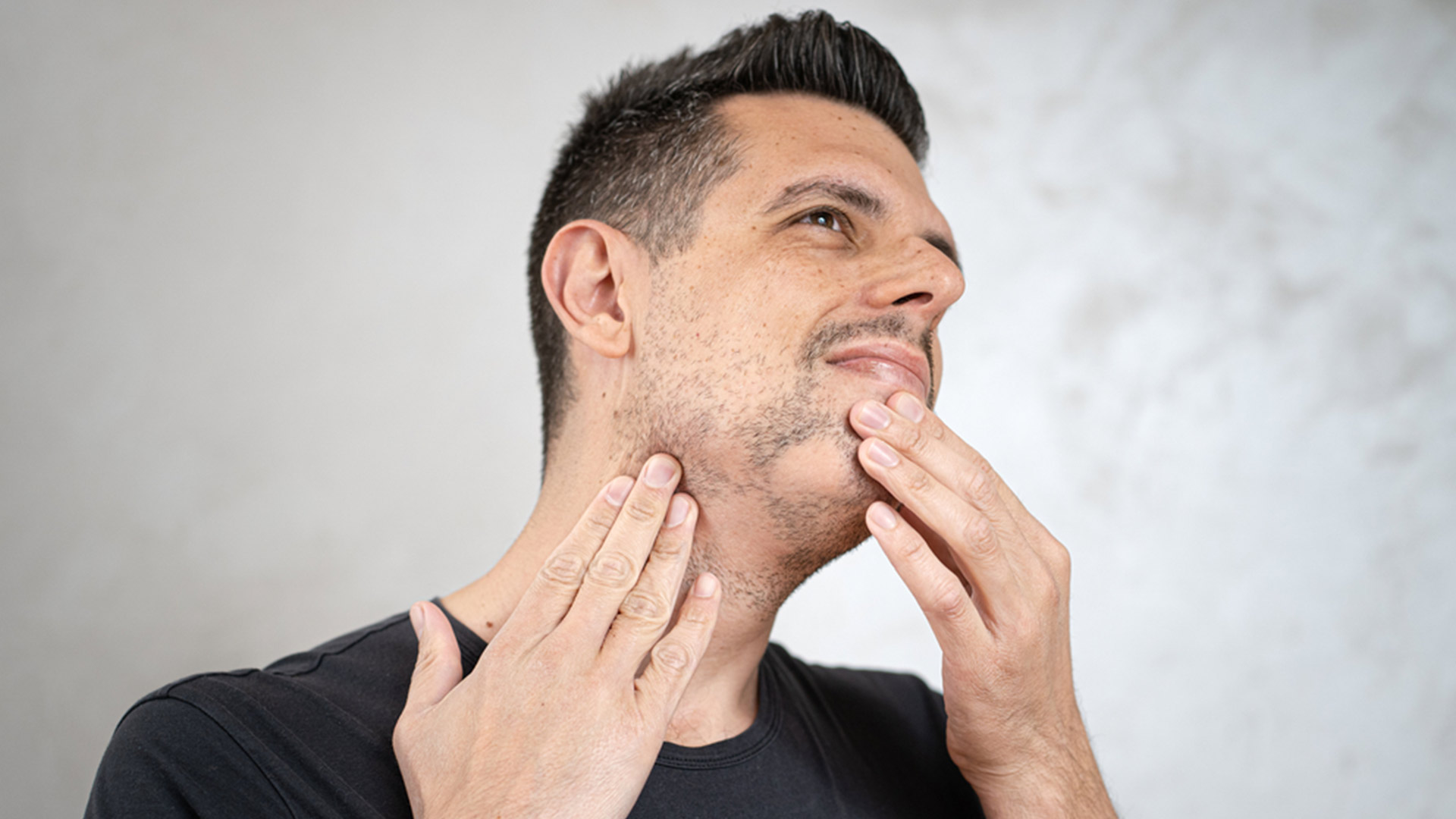
Alopecia barbae causes patchy hair loss in the beard due to an autoimmune response that attacks hair follicles. It often begins with small, round bald spots, along with redness or irritation in the affected area. If left unmanaged, these patches can spread, leading to more noticeable hair loss. Taking early action is essential to prevent further progression and support healthier beard growth. In this blog, you'll find effective tips on how to stop alopecia barbae from spreading and manage its impact with confidence.
Alopecia barbae occurs when the immune system mistakenly attacks healthy hair follicles, leading to patchy beard hair loss. This autoimmune reaction often creates small circular bald spots, especially along the jawline or cheeks. In some cases, it may spread to other areas like the scalp or face.
Although the exact cause remains unknown, several triggers may contribute to its development. Psychological stress and physical strain are often linked to flare-ups. Genetic factors also play a significant role. People with a family history of alopecia, asthma, allergies, or autoimmune diseases like type 1 diabetes, lupus, or psoriasis are more likely to develop it.
In addition, certain viral infections, environmental substances, or medications may trigger symptoms. Therefore, consulting a dermatologist early helps identify underlying causes and ensures proper diagnosis and treatment.
To prevent further irritation, stop shaving the affected area until the skin heals and hair begins to regrow. Additionally, avoid using harsh skincare or beard products that can dry out or inflame the skin. Instead, opt for gentle, fragrance-free alternatives to maintain skin balance.
Moreover, refrain from scratching or picking at the bald patches, as this may worsen inflammation and delay recovery. Always keep the area clean and moisturized to support healing and reduce the risk of infection.
Stress can trigger or worsen autoimmune conditions like alopecia barbae by disrupting immune system balance. Therefore, managing stress is essential for reducing flare-ups and promoting healing.
Try simple stress-relief techniques such as deep breathing, meditation, or regular exercise to calm your mind and body. Furthermore, maintain a consistent routine to support mental and emotional well-being.
If stress feels overwhelming, consider speaking with a therapist or counselor for professional support and guidance. Early intervention helps protect both mental health and physical recovery.
{{cta-banner}}
There’s no permanent cure for alopecia barbae, but you can manage the symptoms and promote hair regrowth through different treatments.
Sometimes, the hair grows back fully. In other cases, it may grow back thinner, patchier, or in a different color or texture. In rare cases, it may not grow back at all. Results vary from person to person depending on age, the amount of hair loss, and overall health.
Most treatments aim to calm the immune system and encourage hair growth. They tend to work better if less than half of the beard hair is lost.
Here are some commonly recommended treatments:
Some people try natural remedies. While research is limited, they may help in mild cases:
Use gentle, non-irritating beard shampoos and conditioners to avoid triggering inflammation or dryness. In addition, keep the beard area clean and well-moisturized to support skin health and prevent buildup.
Regularly inspect your beard for any new patches or changes, so you can take timely action if symptoms return.
Start by following a balanced, nutrient-rich diet to support overall immune health and reduce inflammation. In addition, consider taking supplements such as biotin, zinc, and Vitamin D after consulting a doctor.
Moreover, ensure you get enough quality sleep and engage in regular physical activity to boost your body’s natural defenses.
Hair loss can occur in various forms, each with its own causes, symptoms, and progression. Below are different types of hair loss conditions you should know about.
Hair loss disorders can significantly affect a person’s confidence and quality of life. A clinical research organization plays an essential role in advancing potential treatments by designing and managing studies that evaluate new therapies. These organizations ensure that research is conducted ethically, safely, and effectively to bring innovative solutions closer to patients.
Those who are looking for advanced options to treat alopecia areata can participate in clinical trials of Alopecia Areata. By doing so, they not only access cutting-edge treatments but also contribute to the development of better care options for future patients. These trials provide valuable insights into the condition’s progression and treatment response. This information helps researchers improve strategies for better outcomes.
{{cta-banner}}
In conclusion, taking early action, following a healthy routine, and seeking professional care can help manage alopecia barbae effectively. Moreover, participating in research offers access to advanced treatments while contributing to scientific progress. Explore opportunities to support both your health and medical innovation through clinical research studies.


