
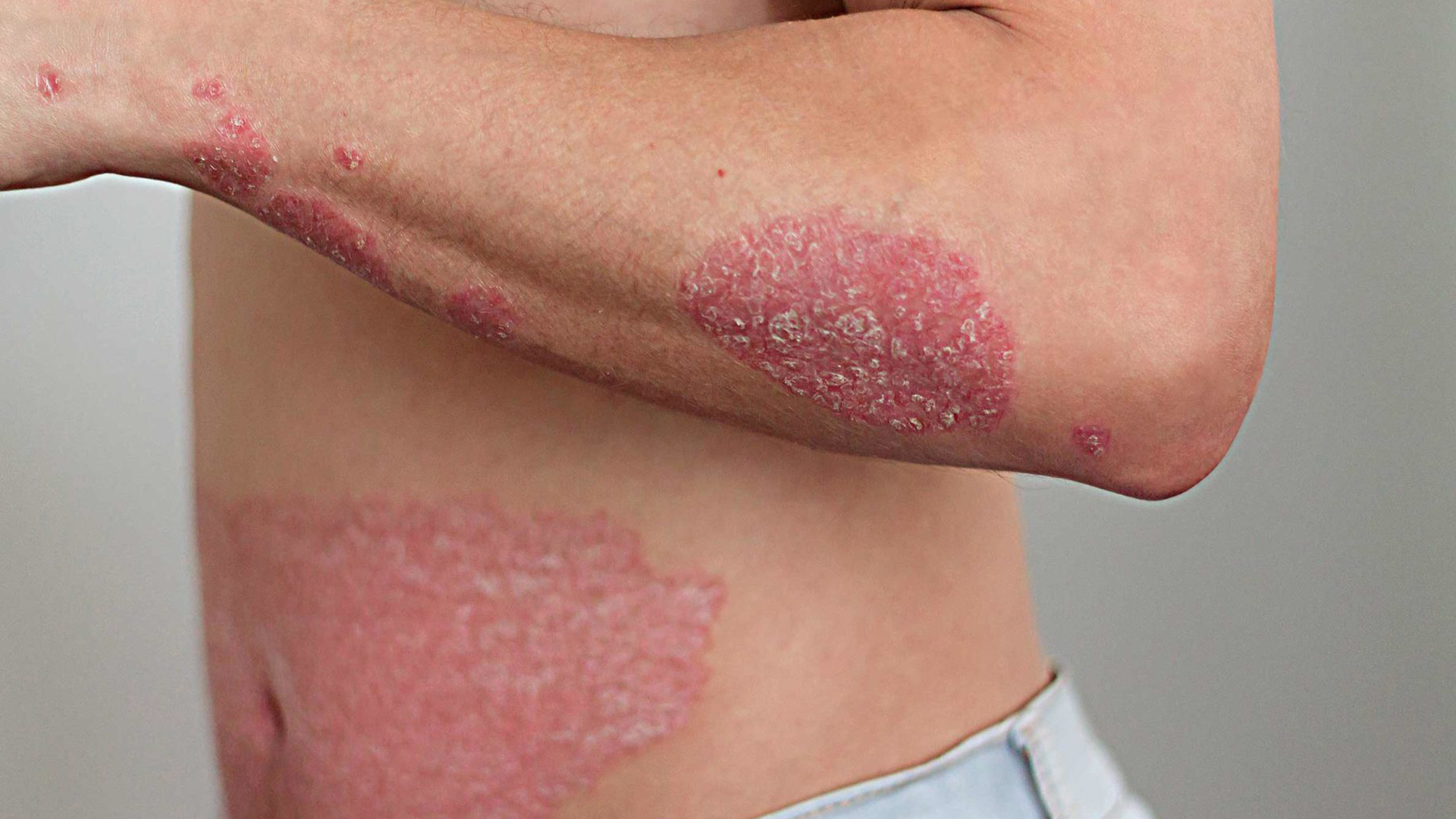
Nummular eczema, also called nummular dermatitis, is a long-lasting skin condition marked by coin-shaped, raised spots. These spots often appear on the arms, legs, torso, or hands and can cause intense itching and discomfort. Sometimes, the lesions ooze clear fluid and may develop a crusty surface over time. The word “nummular” comes from Latin, meaning “coin,” which perfectly describes the shape of these patches. The condition can flare up repeatedly for weeks or even months, making daily management essential.
Several factors can trigger or worsen nummular eczema. Dry skin weakens the skin’s natural barrier, making it more prone to irritation. Skin injuries such as cuts, scrapes, or insect bites can also lead to flare-ups. Cold weather and low humidity often increase dryness, while harsh soaps, detergents, or irritating fabrics can trigger new patches. Managing the condition requires avoiding known triggers and following a gentle, consistent skincare routine to keep the skin healthy and protected.
The exact cause of nummular eczema remains unknown, but several factors may contribute to its development.
Genetics can play a role, especially if you have a family history of allergies or related conditions.
Allergies to certain substances can trigger the skin’s reaction and cause new patches to appear.
Environmental triggers like irritants in soaps, detergents, or cosmetics can worsen the condition.
Dry skin reduces the skin’s barrier, making it more vulnerable to irritation and flare-ups.
Minor skin injuries, including burns or insect bites, can sometimes lead to outbreaks.
Certain medications may also act as a trigger for some people.
Older adults and middle-aged men are more likely to develop nummular dermatitis.
Having pre-existing skin conditions like atopic eczema increases your risk.
Cold and dry weather often aggravates symptoms, while humid climates may improve them.
Nummular eczema lesions can sometimes resemble ringworm, a fungal infection of the skin. This similarity often raises the question of nummular eczema vs ringworm.
Ringworm, also called tinea corporis, often causes itchy bumps that form round, scaly patches with a clear center.
On lighter skin, these patches may appear red or pink, while on darker skin, they may look brown or gray.
Both conditions can cause significant itching, making them easy to confuse.
However, ringworm usually improves within 2 to 3 weeks of proper treatment, though it may occasionally last longer.
A dermatologist can examine the skin to distinguish between these conditions and other similar issues, such as psoriasis.
A dermatologist begins by closely examining the affected skin and asking about your symptoms, lifestyle, and possible triggers. They may also review your personal and family history of skin conditions, allergies, or asthma to identify patterns.
If the diagnosis is unclear, the doctor may take a small skin sample (biopsy) for lab analysis. This helps rule out other skin conditions with similar appearances, such as fungal infections or psoriasis.
Nummular eczema can resemble psoriasis, ringworm, or other types of eczema. Psoriasis often causes thicker, silvery scales, while ringworm typically forms a clear center with an outer ring. A thorough examination ensures the right diagnosis and treatment plan.
{{cta-banner}}
Topical corticosteroid creams or ointments are often the first line of treatment. They work by reducing inflammation, redness, and itching, helping the skin heal faster. Moisturizers, especially thick ointments or creams, keep the skin hydrated and strengthen its natural barrier, preventing further dryness. For sensitive areas like the face or skin folds, calcineurin inhibitors such as tacrolimus or pimecrolimus are used instead of steroids. These medications help control inflammation without the side effects that long-term steroid use can cause.
Oral antihistamines can help relieve persistent itching, especially during the night, allowing for better sleep and less scratching. In cases where lesions develop secondary bacterial infections from frequent scratching, a doctor may prescribe antibiotics. These antibiotics can be taken orally or applied topically, depending on the severity and spread of the infection.
For widespread or treatment-resistant nummular eczema, phototherapy can be effective. This involves exposing the skin to controlled doses of ultraviolet (UV) light under medical supervision. Phototherapy works by slowing down skin inflammation and boosting the skin’s ability to heal. Treatment sessions are usually done several times a week for a set period, depending on the severity of the condition.
Long-term control of nummular eczema often requires lifestyle changes. Using fragrance-free and hypoallergenic skincare products helps avoid irritation. Maintaining a consistent moisturizing routine keeps the skin barrier healthy and reduces flare-ups. Avoiding known triggers such as harsh detergents, wool fabrics, and extreme temperatures can prevent recurrences. Wearing soft, breathable clothing, managing stress, and staying hydrated are also important steps in keeping symptoms under control.
Apart from nummular eczema, several other skin conditions can cause dryness, itching, or rash-like patches. Some may share similar symptoms, while others differ in their causes and appearance. These include:
Dermatology clinical research studies play a crucial role in advancing skin health by exploring new treatments, improving existing therapies, and understanding skin conditions better. These studies allow participants to access innovative care options while contributing to medical knowledge that benefits future patients.
One example is an Atopic Dermatitis Clinical Trial, which is focusing on finding more effective ways to manage and treat the condition.
{{cta-banner}}
In conclusion, managing nummular eczema involves a combination of proper treatment, consistent skincare, and avoiding triggers. With early diagnosis and the right approach, symptoms can be controlled, and flare-ups reduced. Staying informed about effective therapies and ongoing research ensures better skin health and improved quality of life for those living with this condition.
No, nummular dermatitis (nummular eczema) is not contagious. You cannot catch it from someone else.
Nummular eczema does not spread from person to person, but new patches can appear on different areas of your own skin.
The duration varies. It can last for weeks or months, especially if the skin is dry or triggers are not managed. Flare-ups may recur over time.
While there’s no permanent cure, symptoms can be managed with: Regular moisturizing, Topical corticosteroids or prescribed creams, Avoiding triggers like harsh soaps or dry environments, Medical guidance for severe or persistent cases


