
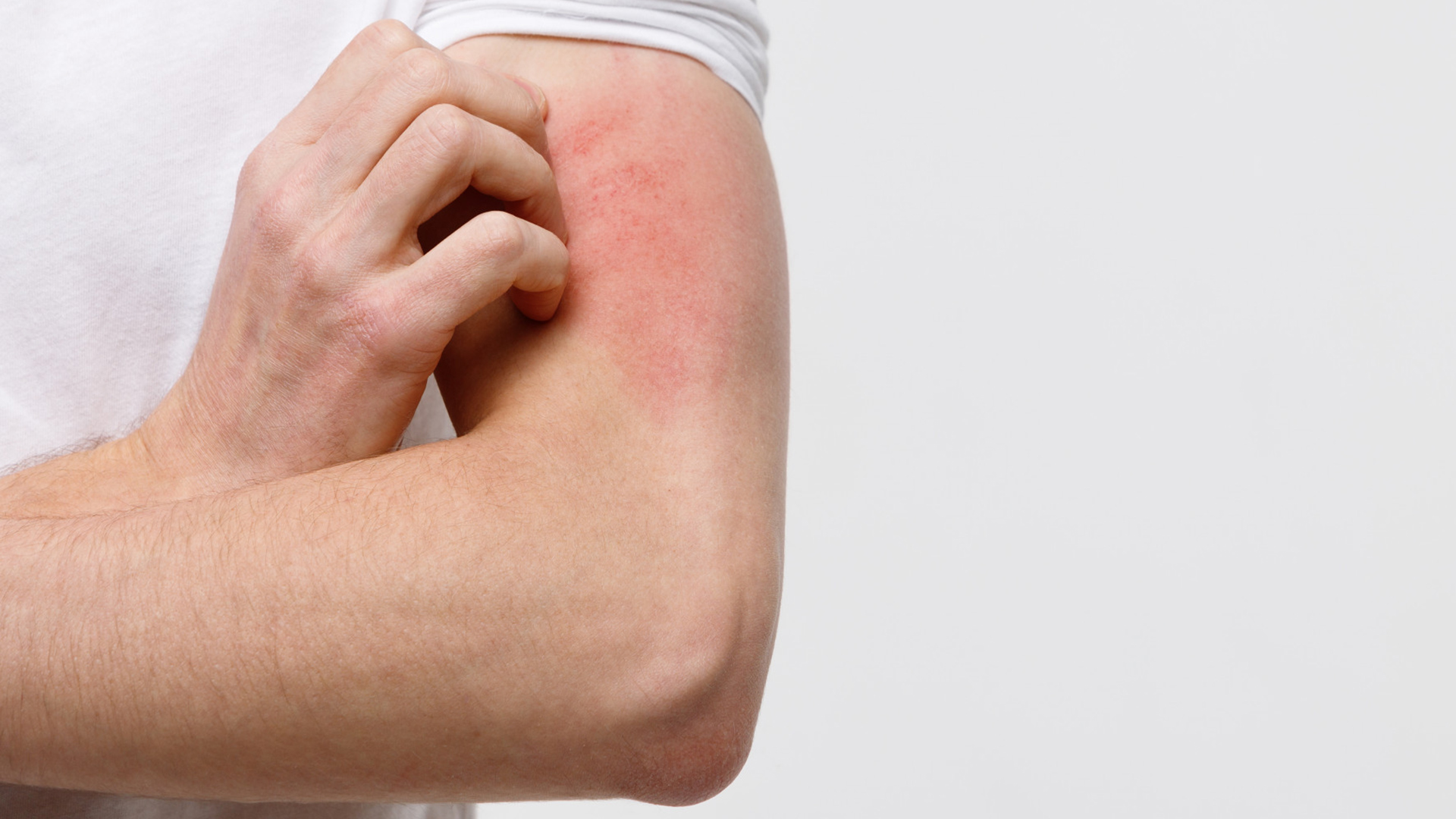
Eczema is a long-term skin condition that causes itching, redness, dryness, and irritation. It often appears as patches on different parts of the body. The condition can flare up at any age, from infants to adults. Flare-ups vary in severity and may last for days or even weeks.
This condition has several forms, each with its own signs and triggers. Some are common, while others appear less often. Knowing the types helps people manage symptoms and seek the right treatment. In this blog, we talk about the main types of eczema.
Eczema appears in different forms, affecting people in unique ways depending on the cause and skin area involved.
Atopic dermatitis is the most common and chronic form of eczema. It often begins in childhood but can affect people of all ages. This type is strongly linked to the immune system and is associated with other allergic conditions such as asthma and hay fever. It usually appears on the face, neck, elbows, knees, or behind the ears, but can show up anywhere on the body. Moreover, Atopic Dermatitis clinical trials are ongoing to explore potential new treatment options for managing this condition.
Key symptoms:
Contact Dermatitis develops when the skin comes into direct contact with an irritant or allergen. It can be short-term (acute) or long-term (chronic), depending on repeated exposure. Common triggers include soaps, detergents, fragrances, metals like nickel, or chemicals in cleaning products.
Key symptoms:
Dyshidrotic eczema primarily affects the hands and feet, especially the palms, sides of the fingers, and soles. It often flares during warm weather or with stress. This type is also linked to metal allergies (nickel, cobalt).
Key symptoms:
Neurodermatitis, also called Lichen Simplex Chronicus, develops when intense itching leads to repeated scratching. This cycle thickens and toughens the skin, creating patches that are even more itchy. It often starts with a single itchy spot that spreads due to scratching.
Key symptoms:
Nummular Eczema also known as discoid eczema, this type causes round, coin-shaped patches of irritated skin. It can appear after an injury like a burn, insect bite, or scratch, but the exact cause isn’t always known. It can affect anyone, but is more common in females aged 15–25 and males aged 50–65.
Key symptoms:
Seborrheic dermatitis is a common skin condition that primarily affects the scalp, causing scaly patches, redness, and persistent dandruff. It often appears in oily areas of the body, including the face, sides of the nose, eyebrows, ears, eyelids, and chest. While it can be uncomfortable, it is not contagious and does not lead to permanent hair loss.
Key symptoms:
Stasis dermatitis occurs when blood pools in the legs due to poor circulation, often caused by varicose veins. This condition is also called varicose eczema. When veins cannot return blood efficiently, pressure builds in the tiny blood vessels. Fluid and blood cells may leak out, causing skin changes.
Key symptoms:
Asteatotic Eczema, also called xerotic eczema or eczema craquelé, is a type of dermatitis caused by very dry skin. It often appears on the shins but can also affect the upper limbs and trunk. The condition results from water loss in the skin’s outer layer due to a breakdown of the skin barrier. Genetic predisposition and environmental factors, such as low humidity and harsh soaps, increase the risk. Excessive bathing and the use of detergents further worsen skin dryness and trigger symptoms.
Key Symptoms of Asteatotic Eczema:
{{atopic-cta-banner}}
Eczema can appear in many different ways depending on the area affected and underlying causes. While not all are official medical types, the following terms are commonly used to describe specific eczema patterns and related conditions.
Scalp eczema is commonly linked to seborrheic or atopic dermatitis. It leads to itching, redness, and flaky skin on the scalp, often mistaken for dandruff.
Baby eczema is usually a form of atopic dermatitis in infants. It causes red, itchy, and dry patches on the cheeks, scalp, or limbs.
Eye eczema involves redness, itching, and swelling around the eyes, often triggered by allergens, irritants, or contact with harsh products.
Lip eczema is characterized by dry, cracked, and inflamed lips, often caused by allergens, irritants, or frequent lip licking.
Vulvar Eczema affects the sensitive skin of the vulva, causing itching, redness, and irritation, often linked to atopic or contact dermatitis.
Follicular Eczema involves inflammation around hair follicles, forming small itchy bumps; it is more common in people with darker skin tones.
Breast Eczema appears as red, itchy, or scaly patches on or around the breasts, sometimes mistaken for infections or other skin conditions.
Papular Eczema causes small, itchy, raised bumps instead of flat patches, often on the arms, legs, or torso.
Weeping Eczema refers to eczema that becomes infected, leading to oozing, crusting, and yellowish discharge from affected areas.
Ear Eczema involves dryness, itching, and scaling in or around the ear canal; it is often associated with atopic or seborrheic dermatitis.
Spongiotic Dermatitis is a microscopic finding showing fluid buildup between skin cells, commonly seen in eczema and other inflammatory skin conditions.
{{atopic-cta-banner}}
In conclusion, understanding the different types of eczema helps in recognizing symptoms early and choosing the right treatment. While it can be a long-term condition, proper care and medical guidance can greatly improve skin health. Furthermore, ongoing clinical research studies in Indiana continue to explore better treatment options for chronic skin conditions.


